When You Talk With Children

How do you talk with children about the recent tragedy when the news is difficult for you as a parent to understand or even talk about? How do you put around context around something so inexplicable? Should you even discuss it with them? And, how do you help them understand things they may overhear even if you’ve chosen not to talk about the event?

Talking With Your Kids

Whether you chose to talk with your young children about the topic is a decision only you can make as a parent. For older kids, it’s important that they hear the facts from you. Consider asking what they understand and how they feel, and share your feelings too. Knowing that you have similar feelings will help kids feel like their fears and concerns are okay.

Find Out What Your School is Doing

Many schools have responded by sending parents letters explaining how they will be responding to recent events. If you haven’t heard from your child’s school, ask them. It’s important to know how they’ll be addressing the topic with the kids so you can support their efforts outside of the classroom as well.

Provide Perspective

Schools are working hard to maintain a safe environment. It can be scary to see new measures implemented, but help remind kids that school and other public places are generally safe.

Limit the Media

It can be overwhelming with the constant stream of media, whether it’s news reports, video footage or photos from the day. Limit kids’ exposure, and even your own, to help keep from being overwhelmed.

Be Patient

Kids react in different and sometimes unexpected ways. And it may take time for them to process what they’ve seen or learned. They may have questions, so take the time to answer them. If they seem upset but don’t know why, be patient.

Contact Your Physician if Needed

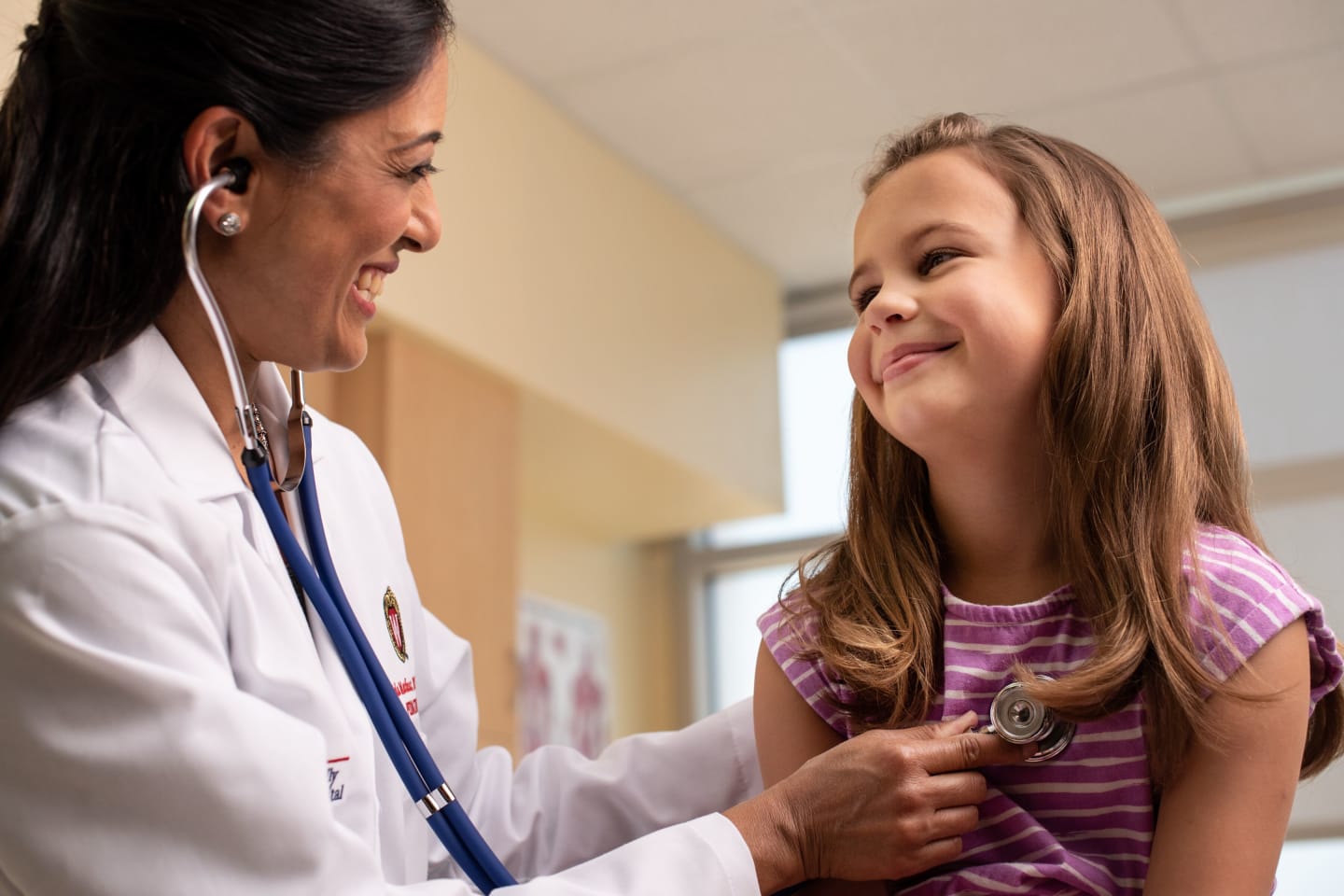
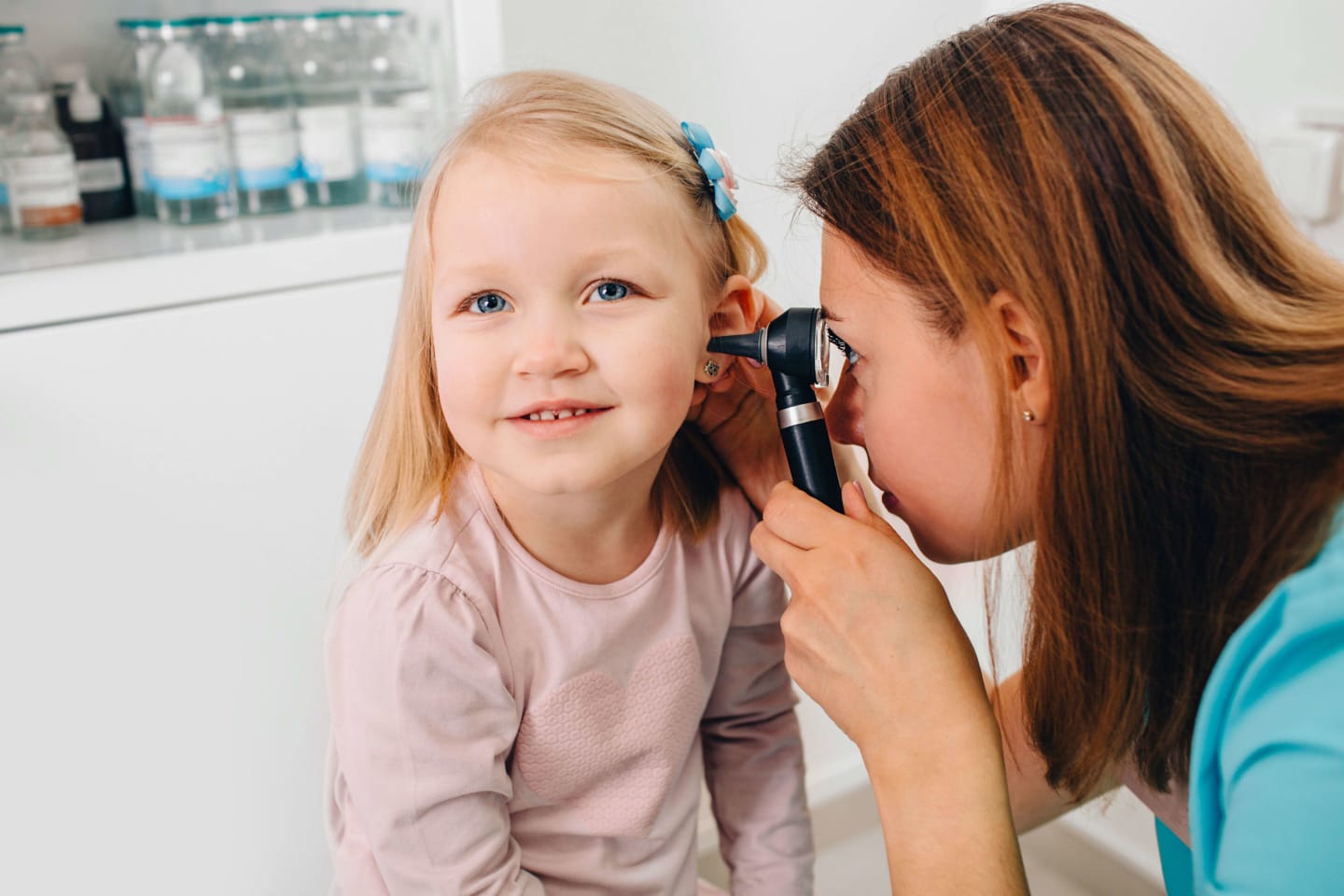
Your child’s primary care provider is there to help you. If your child seems overly sad or anxious, if his or her fears are becoming too much, or you have concerns because of changes in behavior, call your child’s doctor.

Show Your Affection

It’s always a good time to show your child extra affection. Hugs can go a long way to helping kids feel secure during an uncertain time.

Additional Resources

Tracy & Mike talk to Dr. Farrell – Senior Clinical Psychologist at American Family Children’s Hospital (audio)

School Violence and the News (En Espanol)

Talking With Your Kids About News: Strategies for Talking and Listening (PBS)

Age-by-Age Insights (PBS)

American Academy of Pediatrics Resources to Help Parents, Children and Others Cope (HealthyChildren.org)

Coping With the Recent School Shooting (Psychology Today)

How to Help Children Cope After a Shooting (American Pyschological Association)

Helping Your Children Managed Distress in the Aftermath of a Shooting (American Pyschological Association)

Managing Your Distress in the Aftermath of a Shooting (American Pyschological Association)

Tips for Talking With and Helping Children and Youth Cope After a Disaster or Traumatic Event (Substance Abuse and Mental Health Services Administration)

Helpful Hints for School Emergency Management:  Psychological First Aid (PFA) for Students and Teachers: Listen, Protect, Connect – Model & Teach (Department of Education)

Listen, Protect, Connect – Model and Teach Psychological First Aid for Teacher and Students (Federal Emergency Management Administration)

School Crisis Guide: Help and Healing in a Time of Crisis (National Education Association)

Disaster Distress Helpline (Substance Abuse and Mental Health Services Administration)


Posted in Parenting | Tagged ,

Leave a Reply

Your email address will not be published. Required fields are marked *

You may use these HTML tags and attributes: <a href="" title=""> <abbr title=""> <acronym title=""> <b> <blockquote cite=""> <cite> <code> <del datetime=""> <em> <i> <q cite=""> <strike> <strong>